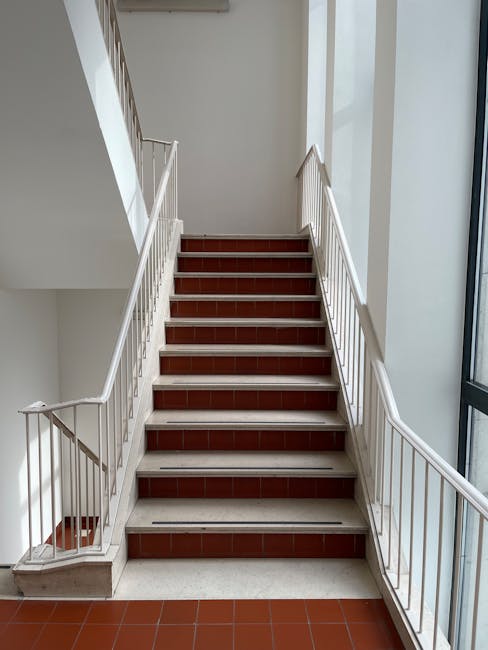
Access problems Maida Vale cleaning narrow stairs solutions
Posted on 10/06/2026

If you live in Maida Vale, you probably already know the charm of the place can come with a few awkward practicalities. Beautiful period buildings, split-level flats, basement conversions, and those wonderfully characterful staircases can make cleaning visits trickier than they ought to be. That is exactly where Access problems Maida Vale cleaning narrow stairs solutions come in. Whether you need carpet care, upholstery cleaning, or regular domestic help, the real challenge is often not the cleaning itself but getting equipment, products, and people safely into the property.
To be fair, it is one of those issues people only think about after a bad experience: a cleaner arrives with a bulky machine, gets halfway up a tight stairwell, and suddenly the whole job feels like a negotiation. This guide breaks the problem down properly. You will learn why narrow stairs matter, how professional cleaners usually adapt, what to prepare in advance, and which mistakes cause the most stress. If you want the job done smoothly rather than clumsily, keep reading.
Why Access problems Maida Vale cleaning narrow stairs solutions Matters
Narrow stairs are not just a nuisance. They affect time, safety, equipment choice, cleaning quality, and sometimes even whether the job is possible without adjustments. In Maida Vale, this matters especially because many homes and managed flats have compact hallways, older stair layouts, and tight turns that make standard equipment harder to move.
When access is overlooked, small problems become annoying ones. A carpet cleaner may need longer setup time. A vacuum may not fit around the bend. Upholstery items might need to be cleaned on the spot rather than moved. And if the property has a shared stairwell, you also have to think about protecting the common areas from drips, scuffs, and accidental knocks. Nobody wants to be that neighbour who chips the paint on the way in. Nobody.
It also matters because access planning changes the outcome. A cleaner who knows the route in advance can choose lighter tools, break the work into stages, or bring protective coverings. That tends to mean less disruption and a cleaner finish. In practical terms, the difference is often between a rushed visit and a calm, competent one.
For local readers, this is also tied to property style. If you have a period terrace, basement conversion, or compact apartment, it helps to think in advance about how your domestic cleaning in Maida Vale or other specialist cleaning service will actually enter and work in the property.
How Access problems Maida Vale cleaning narrow stairs solutions Works
The basic idea is simple: remove friction before the clean begins. That means identifying the access route, measuring tight spots if needed, choosing suitable equipment, and setting expectations so everyone knows what can realistically be done on the day.
In practice, the process usually looks like this:
- Access is assessed early. The cleaner or organiser checks stair width, turns, ceiling height, lift availability, and any shared entrances.
- Equipment is matched to the property. Compact machines, lighter carry tools, or portable methods may be selected instead of bulky systems.
- Protection is prepared. Stair rods, runners, banisters, and walls may be covered or shielded to reduce marks and splashes.
- The cleaning method is adapted. Some jobs are better done room by room, while others may need items cleaned in place.
- Movement is controlled. Items are carried slowly, with two-person handling where necessary, especially on older staircases.
That adaptation is the real solution. It is not about forcing a standard process into a tricky building. It is about adjusting the process so it fits the building. A good cleaner should be thinking, "What is the safest and cleanest way to get this done?" rather than "How do I make this machine fit if it barely does?"
For properties with awkward layouts, it can also help to combine the right service with the right setting. For example, a delicate sofa in a narrow-top-floor flat may suit upholstery cleaning Maida Vale better than moving the item at all. Likewise, if the stairs are especially restrictive, an in-room approach is often smarter than trying to wrestle large equipment upstairs.
Key Benefits and Practical Advantages
When access issues are handled properly, the benefits are immediate and very noticeable. You get less disruption, better safety, and fewer delays. But there are a few more subtle advantages too.
- Reduced risk of damage: Narrow stairs can be scratch-prone, especially in older properties with painted walls, wooden banisters, or soft stair edges.
- Faster, calmer visits: If the route is planned, there is less stopping, lifting, and backtracking.
- Better cleaning results: The cleaner can focus on the job rather than battling access.
- Less stress for residents: You do not have to move everything at the last minute or worry about whether a cleaner will even be able to get in.
- More suitable methods: Portable or low-profile equipment may actually improve precision in tight homes.
Another real advantage is cost control. Access problems can increase time on site if they are not discussed early. By contrast, a clear briefing at the start helps avoid surprises, wasted time, and awkward add-on conversations at the door. If you have ever watched a cleaner stand at the bottom of a stairwell, silently calculating how to rotate a machine through a turn, you will know why this matters.
For people comparing services, it is worth reading up on the full service overview and also checking pricing and quotes so you can see how access difficulty may affect the practical side of the booking.
Who This Is For and When It Makes Sense
This topic is relevant to more people than you might think. It is not just for top-floor flats with tiny landings. Access problems can affect any property where the cleaning route is awkward, limited, or shared.
You will probably benefit from a planned approach if you are:
- living in a Maida Vale flat with a narrow internal staircase;
- managing a basement or split-level property;
- book-ing end of tenancy work in a property with tight communal access;
- arranging carpet or upholstery cleaning for bulky items;
- handling an office or small workspace with awkward stairs or limited lift access;
- preparing a property for sale, let, or inspection and want everything to look tidy, not half-done.
It also makes sense when you have stairs that are technically usable but still awkward. That includes curved staircases, narrow turns, low ceilings, and stairwells with fragile decoration or narrow banisters. In many Maida Vale homes, the issue is not absolute impossibility. It is just that the margins are tight.
If you are planning a tenancy move-out, you may also want to look at end of tenancy cleaning Maida Vale because access planning becomes even more important when you are working to a deadline and want the place left in good order.
Step-by-Step Guidance
Here is a practical way to handle narrow-stair access without drama. It is not glamorous, but it works.
- Walk the route before the booking, if possible. Look at the main entrance, hallway, stair width, turns, and any points where a machine would need to pivot. Measure if you are unsure.
- Share the honest details. If there is a tight bend at the top of the stairs or a low ceiling under the landing, say so. It saves everyone time.
- Ask what equipment will be used. A compact system may be fine where a larger machine would be impossible. A good cleaner should be able to explain the method plainly.
- Clear the approach. Move shoes, bags, bicycles, baskets, and anything else that narrows the stairwell. Even a small obstruction can become a big one when carrying gear.
- Protect surfaces. Lay covers where needed and make sure there is room to work without dragging hoses or tools across painted edges.
- Agree the sequence. For example, you might do carpets first, then upholstery, then the final tidy-up. That usually reduces traffic back and forth.
- Plan for shared areas. In a block or converted building, it is wise to avoid blocking hallways and to keep doors propped only when safe and appropriate.
If the job involves a specific area of the home, for instance a lounge carpet on an upper floor or a stair runner, it can help to combine solutions. Sometimes the best answer is a cleaner set-up rather than a heavier machine. Sometimes it is simply patience. Real patience. The kind that keeps everyone calm when the landing is just a little too tight for comfort.
Expert Tips for Better Results
Here is where experience tends to make a visible difference. These are the small decisions that stop an access issue from becoming a problem.
- Use lighter, modular equipment where possible. Portable systems are often easier to carry and safer on stairs than one heavy unit.
- Keep hoses and leads managed tightly. Loose lines create trip hazards, especially on narrow steps.
- Work top-down when practical. This is often cleaner and avoids re-soiling lower areas.
- Protect the staircase before movement starts. It is much easier to prevent scuffs than to apologise for them afterwards.
- Choose the quiet route through the property. In flats, that can mean planning around neighbours and avoiding busy entry times.
- Ask about insurance and safety standards. A professional provider should be able to explain how they manage risk in tight or awkward access conditions. See also insurance and safety for a useful overview of that mindset.
A small but important tip: if you can only fit one person comfortably on a staircase at a time, say that early. It sounds obvious, but people forget. Then the day arrives and everyone is trying to be polite while somebody else is reverse-stepping with a machine. Not ideal.
For local context and a better sense of property layouts in the area, the articles on Maida Vale's characterful homes and whether Maida Vale is a good place to reside can be helpful background reading.

Common Mistakes to Avoid
Most access problems are manageable. The headaches usually come from avoidable missteps.
- Booking without describing the stairs properly. "It is a bit narrow" can mean almost anything.
- Assuming all machines will fit. They will not. Some won't even be close.
- Forgetting communal access. A building can be clean inside the flat and still awkward in the hallway, stairwell, or entrance.
- Leaving clutter in the stair path. Small items become trip hazards fast.
- Ignoring protection for walls and banisters. A light bump can leave a visible mark.
- Trying to force bulky items upstairs. If it does not fit, do not bully it. That usually ends badly.
Another common one is underestimating timing. Access delays do not always take minutes; sometimes they take enough time to matter. If you have a tight schedule, especially for a move-out clean or a pre-tenancy handover, mention that early so the visit can be planned realistically.
Tools, Resources and Recommendations
You do not need specialist kit to prepare for most access issues, but a few simple tools help a lot.
| Tool or approach | Why it helps | Best for |
|---|---|---|
| Measuring tape | Checks stair width, turns, and landing space before the visit | Tight staircases, basement flats, curved landings |
| Protective coverings | Reduces scuffs, dust transfer, and splash marks | Painted bannisters, light walls, shared entrances |
| Portable cleaning equipment | Usually easier to carry and position in compact homes | Upper floors, narrow turns, older conversions |
| Clear access briefing | Prevents misunderstanding on the day | All bookings, especially first-time visits |
| Photo reference | Helps explain awkward layouts without guesswork | Properties with unusual stairs or very tight access |
In terms of practical service choices, a good starting point is often a broad cleaning provider that can adapt. That is why many people look at house cleaning in Maida Vale or office cleaning Maida Vale where access-sensitive planning is built into the visit rather than treated as an afterthought.
For broader background, the blog archive at the company's blog can be useful if you want to see how different Maida Vale cleaning scenarios are approached across homes and property types.
Law, Compliance, Standards, or Best Practice
For most household cleaning visits, the main concern is not a complex legal issue. It is basic safety, competence, and sensible working practice. That said, access in narrow stairs does intersect with a few important expectations in the UK cleaning trade.
At a high level, professional providers should think about:
- Health and safety: reducing trip hazards, managing lifting risks, and avoiding damage to occupants or property.
- Insurance awareness: having suitable cover for accidental damage or workplace incidents.
- Respect for shared spaces: especially in flats and converted buildings where hallways and stairs are communal.
- Clear communication: making sure the customer knows what access is needed and what happens if it changes.
This is where professional policies matter. A provider should not treat safety as a box-ticking exercise. It should be part of the method. If you want a sense of how a serious company frames this, see the pages on health and safety policy and accessibility statement. They are not just formalities; they signal whether the business thinks carefully about people and place.
If you are comparing services or trying to keep everything transparent, it also helps to look at terms and conditions and privacy policy. Not exciting reading, granted, but it gives you a clearer picture of how the booking will be handled. Truth be told, the boring pages often tell you more than the flashy ones.
Options, Methods, or Comparison Table
There is no single best answer for every property. The right method depends on how tight the stairs are, what needs cleaning, and how much movement is involved.
| Method | Best for | Advantages | Trade-offs |
|---|---|---|---|
| Compact portable equipment | Narrow stairs and small flats | Easier to carry, less disruptive | May take longer on larger jobs |
| In-room cleaning approach | Bulky upholstery or immovable items | Less lifting, safer in tight spaces | May need more careful set-up in the room |
| Two-person handling | Heavy or awkward items on stairs | Improves control and reduces strain | Requires more coordination and time |
| Pre-clean access survey | Unusual layouts or sensitive properties | Helps avoid surprises and damage | Needs more planning upfront |
If you are choosing between carpet or upholstery work, the access route often tips the decision. For example, if the carpet is on a tight upper floor but the sofa is downstairs and manageable, you may prioritise the sofa first. Small judgement calls like that can save a lot of time.
Case Study or Real-World Example
Picture a typical Maida Vale flat: a narrow entrance hallway, a tight turn halfway up the stairs, and a second-floor landing that only just allows someone to pass with a vacuum head under one arm. The resident wants a carpet clean and a quick refresh of a sofa in the lounge. Nothing extreme, just a normal booking with awkward access.
In a case like that, the cleaner would usually avoid bringing in a bulky full-size system if it risks slowing everything down. Instead, they might use compact equipment, keep hoses neatly managed, and clean the sofa in place so it never needs to be dragged through the stairwell. The resident clears the steps beforehand, the landing stays free of clutter, and the cleaner protects the wall edge where the turn is tightest.
The result? Less faffing about, less risk of marks, and a more relaxed visit. The job still takes effort, obviously. But it does not become a wrestling match with the staircase. That is the difference access planning makes. And in a property with older features, or one near areas like Little Venice, it can be the difference between a smooth afternoon and a mildly stressful one. If you are dealing with a sofa specifically, it may also be worth reading this Warwick Avenue sofa cleaning example for a more local feel.
A similar principle applies when the problem is tenanted property turnover, where a clean, quick finish matters. In those cases, a narrower access route does not have to derail the schedule, provided the plan is sensible from the start.
Practical Checklist
Use this checklist before the appointment. It saves time and, honestly, a bit of embarrassment too.
- Measure the narrowest part of the stairs if you are unsure.
- Check for awkward turns, low ceilings, and tight landings.
- Clear shoes, baskets, prams, and loose items from the stair route.
- Tell the cleaner about any fragile walls, banisters, or stair runners.
- Confirm whether the item can be cleaned in place rather than moved.
- Ask what type of equipment will be used.
- Make sure someone can open doors and guide access if needed.
- Plan for neighbours or shared-entrance considerations in flats.
- Discuss timing if the property has a strict move-out or handover deadline.
- Check the booking details against the quote so there are no surprises later.
One small but useful habit: take a quick photo of the stairwell before the booking if it is especially tight. Not because anyone expects trouble, but because it helps everyone visualise the space properly.
Get a free quote today and see how much you can save.
Conclusion
Narrow stairs do not have to mean difficult cleaning. They just require a better plan. Once the access route is understood, the right equipment is chosen, and the property layout is respected, most jobs become much more manageable. That is the heart of effective Access problems Maida Vale cleaning narrow stairs solutions: practical adjustment, not guesswork.
In a place like Maida Vale, where homes often have a bit of character and occasionally a bit of inconvenience too, that approach matters. The best outcome is not the loudest equipment or the fastest dash upstairs. It is the clean, calm visit where everything fits the space properly and nobody ends the day with a bruised shin or a scratched wall.
If you plan ahead, speak openly about the access, and choose a cleaning approach that suits the property rather than fighting against it, the whole process becomes easier. And that, frankly, is a relief.
Sometimes the simplest solution is also the smartest one.