

Little Venice upholstery cleaning and stain rescue Maida Vale
Posted on 29/04/2026
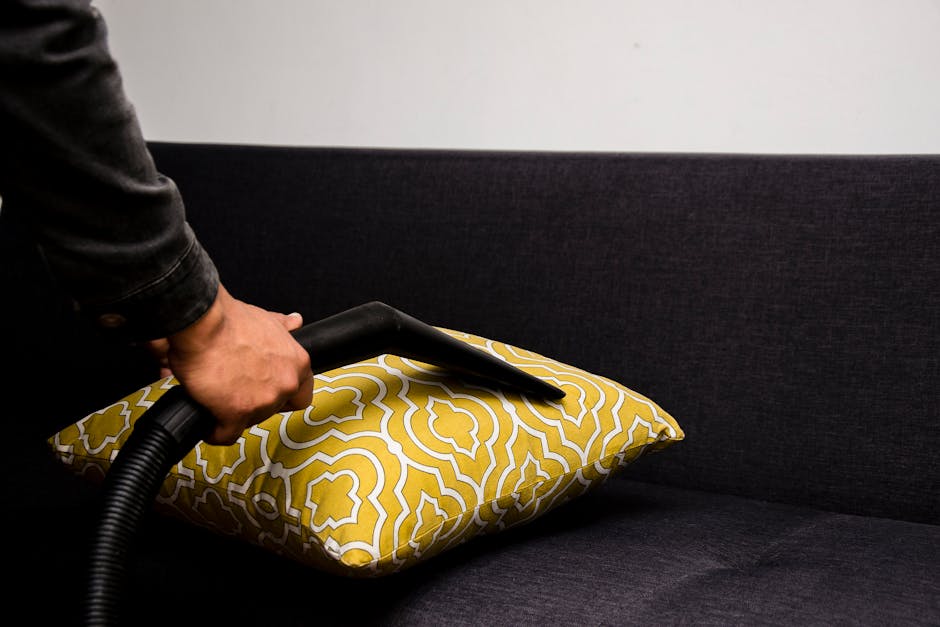
Little Venice Upholstery Cleaning and Stain Rescue Maida Vale
If you live in or around Little Venice and Maida Vale, you already know the homes here have a certain character. Tall windows, period details, soft furnishings that actually get used, and the occasional red-wine mishap after a quiet evening that turned a bit livelier than planned. That is exactly where Little Venice upholstery cleaning and stain rescue Maida Vale becomes more than a nice-to-have. It helps protect the look, feel, and lifespan of the furniture you rely on every day.
This guide walks you through what upholstery stain rescue involves, how it works, what to expect from a proper cleaning process, and how to avoid the mistakes that make a bad mark turn into a permanent one. You will also find practical tips, a simple comparison table, and a checklist you can use before booking a service. Truth be told, upholstery cleaning can feel oddly vague until you know what good practice looks like. Once you do, it is much easier to make a sensible choice.
For readers who want a broader view of the area as well, the local guides on Maida Vale's character and what makes Maida Vale such a liveable place offer useful context about the homes and lifestyle that shape cleaning needs here.
Table of Contents
- Why Little Venice upholstery cleaning and stain rescue Maida Vale Matters
- How Little Venice upholstery cleaning and stain rescue Maida Vale Works
- Key Benefits and Practical Advantages
- Who This Is For and When It Makes Sense
- Step-by-Step Guidance
- Expert Tips for Better Results
- Common Mistakes to Avoid
- Tools, Resources and Recommendations
- Law, Compliance, Standards, or Best Practice
- Options, Methods, or Comparison Table
- Case Study or Real-World Example
- Practical Checklist
- Conclusion
- Frequently Asked Questions
Why Little Venice upholstery cleaning and stain rescue Maida Vale Matters
Upholstery is one of those things that quietly defines a room. A sofa might be the first place you sit down after work, the spot where children pile up with a book, or the extra seating when friends drop by. Over time, fabric absorbs dust, skin oils, drink spills, food crumbs, pet traces, and the general wear that builds up in busy households. In older and characterful properties around Little Venice and Maida Vale, upholstered furniture often sits alongside delicate interiors, timber floors, and polished finishes, so a sloppy cleaning approach can do more harm than good.
Stain rescue matters because not every mark is the same. A coffee splash is not handled the same way as ink, tannin, grease, or a water ring. Pushing too hard with the wrong product can set the stain deeper, leave a visible tide mark, or flatten the pile in the fabric. That is the frustrating part. A stain looks small at first, then a quick DIY fix spreads it out and now you have a bigger problem. Bit annoying, really.
There is also a practical side. Clean upholstery can help a room feel fresher, reduce lingering odours, and keep furniture in service for longer. That matters whether you are maintaining a family sofa, refreshing guest seating, or preparing a property for new occupants. If your next step involves a broader clean, it can be worth looking at the full range of cleaning services available and, where relevant, the local carpet cleaning options in Maida Vale to keep the whole room consistent.
How Little Venice upholstery cleaning and stain rescue Maida Vale Works
A proper upholstery clean usually starts with identification. The fabric type matters more than many people realise. Cotton, linen, wool blends, velvet, microfiber, synthetic weaves, leather, and mixed materials all behave differently. The same is true for fill, stitching, dye stability, and age. A good cleaner will not just spray and hope for the best. They will inspect, test, then choose the least aggressive method that still gets a real result.
The process often includes dry soil removal first, because loose dirt acts like fine grit. If you skip that stage, wet cleaning can turn dust into mud inside the fibres. After that comes stain assessment. Professionals usually check whether a mark is protein-based, oil-based, dye-based, or something mixed and stubborn. That determines the treatment. For example, a greasy mark on a sofa arm might need a different spot treatment from a tea spill on a pale fabric chair.
Most stain rescue work follows a careful sequence:
- Inspect the fabric and identify the stain.
- Test the chosen solution on a hidden area.
- Pre-treat the affected section with the right product.
- Use controlled agitation or extraction, depending on the fabric.
- Rinse or neutralise residue so the stain does not reappear.
- Dry the fabric correctly to avoid rings, stiffness, or odour.
That drying stage is a bigger deal than most people expect. A sofa that feels slightly damp for too long can develop a stale smell, especially in cooler London weather or in rooms with limited airflow. A decent service will factor in ventilation and drying advice, not just the cleaning itself.
If the property is occupied, there may also be a domestic-cleaning angle. In that case, some clients choose to combine upholstery care with domestic cleaning in Maida Vale or a more focused house cleaning visit so the room feels properly reset rather than partially improved.
Key Benefits and Practical Advantages
The most obvious benefit is appearance. A cleaned sofa, armchair, or ottoman instantly lifts a room. But there are other gains that matter just as much, especially in homes where furniture sees a lot of use.
- Better stain removal: Targeted treatment can lift marks that household products often smear around.
- Longer fabric life: Removing embedded grime helps reduce wear in the fibres.
- Improved hygiene: Routine cleaning removes debris, allergens, and odour sources trapped in upholstery.
- Odour control: Spills, pets, and general daily use can leave fabrics smelling less than fresh.
- Better room presentation: A clean sofa makes the whole space feel cared for, not just tidy on the surface.
- Smarter maintenance: Stain rescue early on is often simpler and less costly than waiting until a mark has set in.
There is also a subtle but real confidence factor. You stop worrying about guests noticing the patch on the chaise or that patchy area on the corner seat. You sit down and relax. Which, honestly, is the point of a sofa in the first place.
For landlords, agents, and residents preparing a property between tenancies, upholstery care can sit neatly alongside end of tenancy cleaning in Maida Vale. When soft furnishings are addressed alongside floors and surfaces, the property tends to present more cleanly overall. If you are comparing services, it may also help to review pricing and quotes so expectations are clear from the start.
Who This Is For and When It Makes Sense
Not everyone needs upholstery stain rescue every few months. But there are some clear situations where it makes good sense.
- Families with young children: Juice, food, crayons, and the occasional mystery smudge. It happens.
- Pet owners: Fur, dander, muddy paws, and odours can build up surprisingly fast.
- Busy households: If your sofa is used daily, it will collect grime even if it looks okay from a distance.
- Landlords and tenants: A clean, presentable sofa or dining chair can make a property easier to hand over or receive.
- Home workers: If your lounge doubles as an office, that chair behind you on camera might need a little rescue.
- Hosts and entertainers: In areas where people gather for dinner, drinks, and visits, furniture can pick up spills around social events.
It also makes sense after a specific incident rather than as part of a routine clean. A coffee spill on pale fabric, a guest dropping red wine, a pet accident, or a sauce splash from last night's takeaway can often be improved more quickly when tackled early. Wait too long and the stain may oxidise, spread, or sink deeper into the cushion fill.
For readers who enjoy the social side of the neighbourhood, local lifestyle content such as venues for parties in Maida Vale is a reminder of how easily fabrics can take a hit after a busy evening. Nice problem to have, but still a problem.
Step-by-Step Guidance
If you are dealing with a stain right now, the first few minutes matter. The aim is to avoid setting it in, spreading it, or damaging the fabric before a proper clean takes place.
1. Blot, do not rub
Use a clean, white cloth or paper towel and gently blot the spill. Rubbing can push the stain further into the weave and distort the fibres. This is one of the most common mistakes, and it seems harmless at first.
2. Check the care label
Most upholstered items have a care code or manufacturer guidance. In simple terms, the label may indicate whether the fabric is suited to water-based cleaning, solvent-based cleaning, or specialist care only. If you are unsure, stop before applying anything else.
3. Identify the stain type
Ask yourself what caused it. Tea and coffee behave differently from grease, makeup, ink, or pet stains. That detail helps determine the safest treatment. If you are not sure, do not guess with an aggressive product.
4. Test any product first
Whatever solution you use, test it in a hidden area. Look for colour transfer, pile distortion, or fibre damage. It is a boring step. Also a very useful one.
5. Treat the mark in stages
A light stain might lift with careful spot treatment, while a deep stain may need professional extraction. The trick is to work gradually. Heavy soaking is rarely the clever move, even if you are tempted.
6. Dry correctly
Airflow matters. Keep the room ventilated, use fans if appropriate, and avoid sitting on the fabric until it is properly dry. Premature use can flatten the pile or create a damp smell that lingers.
7. Protect the cleaned area
Once clean, consider whether the furniture would benefit from a protective treatment or a new care routine. The aim is not just one good result. It is fewer headaches later on.
Expert Tips for Better Results
Small choices make a big difference with upholstery. Here are the ones that tend to matter most in real homes.
- Act early: Fresh stains are usually easier to treat than old, dried ones.
- Use minimal moisture on delicate fabrics: Too much liquid can leave water marks or prolonged drying time.
- Work from the outside in: This helps reduce the chance of the stain spreading.
- Do not mix cleaning products: Combining chemicals can damage fabric or leave residue.
- Ventilate the room: A slightly open window can do more than you think.
- Keep a record of care codes: Handy if you own several items or move often.
One useful professional habit is to treat the stain and the surrounding fabric, not just the little obvious mark in the middle. That helps avoid a halo effect, where the stain looks gone from one angle but appears as a ring in daylight. Afternoon light through a sash window will show you everything, as it usually does.
If you want the job handled by a team that also pays attention to safety and process, it is sensible to review insurance and safety information and the company's health and safety policy. That kind of detail says a lot about how carefully the work is managed.

Common Mistakes to Avoid
People usually do not damage upholstery on purpose. They are just trying to sort the problem quickly. Still, a few common errors show up again and again.
- Rubbing the stain aggressively: This can spread the mark and roughen the fibres.
- Using too much water: Oversaturation can cause browning, shrinkage, or lengthy drying times.
- Applying bleach or harsh household sprays: These often lighten the fabric unevenly rather than removing the stain.
- Skipping the hidden test spot: A fabric can react badly even if it looks sturdy.
- Assuming all upholstery is the same: Velvet, wool, synthetic blends, and leather need different handling.
- Leaving spills to "deal with later": Later is usually more expensive. That's the annoying truth.
A quieter mistake is ignoring the cushion filling. Surface cleaning may improve the visible fabric, but if the spill has soaked into the cushion insert, odour and staining can return. That is why a proper assessment matters before treatment begins.
Tools, Resources and Recommendations
You do not need a van full of specialist equipment to deal with every household stain, but having the right basics helps. For routine care, a few sensible tools are usually enough.
| Tool or Resource | What It Helps With | Practical Note |
|---|---|---|
| White microfibre cloths | Blotting spills and applying small amounts of product | Choose white cloths so dye does not transfer to the fabric |
| Soft brush | Loosening dry soil from sturdy fabrics | Use gently; avoid hard scrubbing on delicate weaves |
| Vacuum with upholstery attachment | Removing dust, crumbs, and pet hair | Routine vacuuming helps reduce wear |
| Manufacturer care label | Guidance on suitable cleaning methods | Always check before using any liquid treatment |
| Professional upholstery service | Deep cleaning, stain rescue, and fabric-specific treatment | Best for set stains, sensitive fabrics, or high-value furniture |
For local customers comparing service scope, upholstery cleaning in Maida Vale is the most direct page to review. If you are weighing broader cleaning support for a flat, a family home, or a work space, it can also help to look at office cleaning in Maida Vale or the wider services overview to see how the pieces fit together.
Law, Compliance, Standards, or Best Practice
Upholstery cleaning is not usually a heavily regulated trade in the way some specialist services are, but there are still important standards and sensible expectations to keep in mind. In the UK, good practice means following manufacturer care instructions, using products safely, and handling electrical equipment or wet cleaning methods responsibly.
For customers, a few practical checks go a long way:
- Ask whether the fabric will be tested first.
- Confirm that the cleaner understands different upholstery materials.
- Check how drying is handled and what aftercare is recommended.
- Make sure any service terms are clear before work starts.
It is also reasonable to expect clear communication around liability, security, and service conditions. That is why pages such as terms and conditions, privacy policy, and payment and security can be useful to review before booking. They are not the glamorous parts of the process, but they matter. A lot.
If a provider references sustainable or ethical business conduct, you can also explore the company's about us page and, where relevant, its modern slavery statement. That kind of transparency helps build trust, especially when inviting someone into your home.
Options, Methods, or Comparison Table
Not every stain needs the same approach. The right method depends on fabric type, stain type, and how long the mark has been there. Here is a simple comparison to help you think it through.
| Method | Best For | Strengths | Watch Outs |
|---|---|---|---|
| Light DIY spot treatment | Fresh, minor marks on sturdy fabric | Quick, convenient, low cost | Easy to over-wet or spread the stain |
| Targeted professional stain rescue | Visible stains, older marks, delicate fabrics | Better chance of controlled treatment and cleaner finish | May need fabric-specific drying and follow-up advice |
| Full upholstery clean | General refresh, built-up grime, odour | More even result across the whole item | Not always enough for a deeply set stain on its own |
| Combined room cleaning | Busy homes, move-outs, presentation cleans | More consistent overall finish | Takes more planning and coordination |
As a rule of thumb, if the stain is new, small, and on a fabric you fully understand, careful DIY action may be enough. If the material is delicate, the stain is older, or you are worried about making it worse, professional help is the safer route. Simple as that.
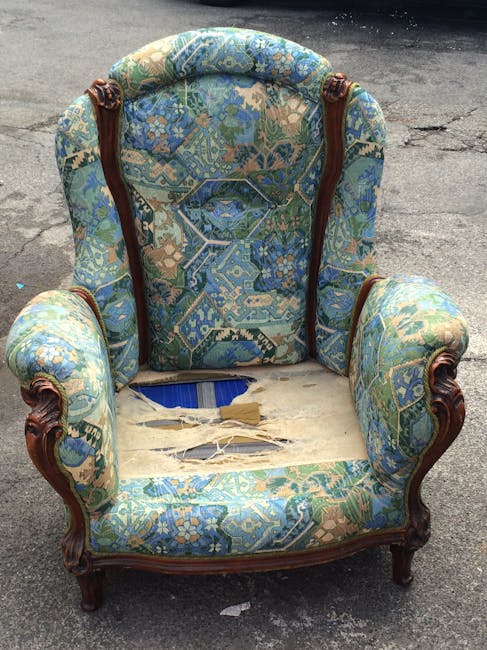
Case Study or Real-World Example
Imagine a family in Maida Vale with a light-coloured three-seater sofa in the front room. Over the course of a week, it picks up three separate marks: a tea splash on one cushion, a bit of oily food on the arm, and a faint ring left by a glass. None of them are dramatic on their own, but together they make the sofa look tired, even though the rest of the room is neat.
The first instinct is often to attack each mark with whatever is in the cupboard. That is where trouble starts. The tea spot might respond to water, the oily mark might repel it, and the glass ring could spread. Instead, the better approach is to identify each stain, test the fabric, and treat the sofa in a controlled way. The visible marks reduce, the overall fabric tone becomes more even, and the room suddenly feels better again. Not brand new, but properly cared for. There is a difference.
That kind of result is especially valuable in homes where furniture is part of a lived-in, elegant look. You do not want the sofa to scream "just cleaned"; you want it to quietly look right. If the property is being prepared for sale or rental, the same logic applies. Cleanliness should support the impression of care, not distract from it.
People looking at the wider local market may also find it helpful to read about Maida Vale's property market and property investment in Maida Vale, because presentation standards often follow the kind of homes and tenants common in the area.
Practical Checklist
Use this quick checklist before, during, or after upholstery stain rescue.
- Identify the fabric type or locate the care label.
- Blot fresh spills immediately with a clean white cloth.
- Do not rub the stain into the fibres.
- Test any cleaning solution in a hidden area first.
- Avoid over-wetting cushions or seams.
- Allow good airflow for drying.
- Keep pets and children off the area until fully dry.
- Check whether the stain has returned after drying.
- Use professional help for delicate, old, or stubborn marks.
- Keep care instructions handy for future spill control.
Expert summary: the best upholstery results usually come from a calm, tested, fabric-aware approach. Fast action helps, but the smartest move is not the fastest one. It is the one that removes the stain without creating a second problem.
Conclusion
Little Venice upholstery cleaning and stain rescue in Maida Vale is really about protecting the everyday comfort of your home. A sofa, chair, or footstool is not just furniture; it is where life happens, and life is rarely tidy. Spills happen. Marks happen. The good news is that with the right method, many stains can be reduced or removed without damaging the fabric.
If you remember only a few things, keep these in mind: identify the fabric, treat stains early, avoid harsh DIY shortcuts, and choose a method that matches the material rather than the mood of the moment. That usually saves time, money, and a fair bit of frustration.
And if your upholstery needs more than a quick fix, taking the sensible next step now is far better than waiting until the mark settles in and starts winning. A bit of care goes a long way.
Get a free quote today and see how much you can save.

